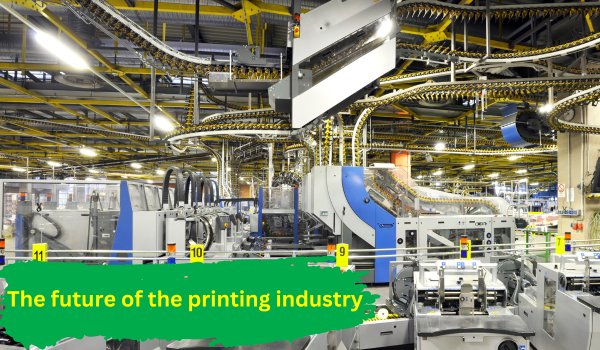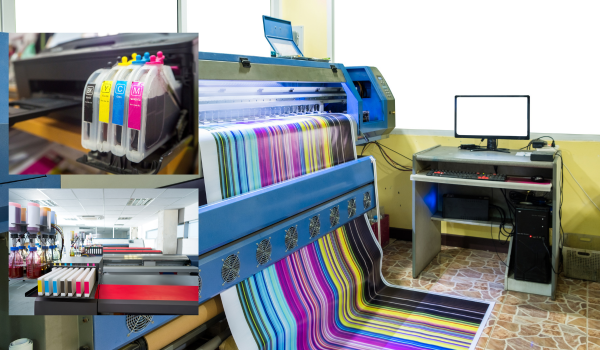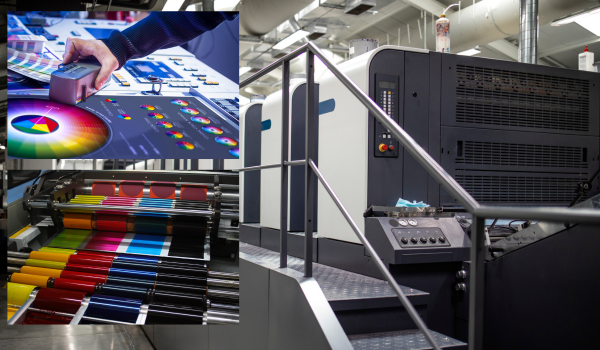
About offset printing
Exploring Offset Printing: A Time-Tested Technique in the Digital Age
In today’s rapidly evolving digital world, where everything seems to be shifting towards online platforms and virtual experiences, it’s easy to overlook the enduring significance of traditional printing methods. Among these, offset printing stands out as a stalwart in the realm of printing technology, offering unparalleled quality and versatility that continue to be prized by businesses and individuals alike.
The Basics of Offset Printing
Offset printing, also known as lithography, is a printing technique that involves transferring ink from a plate to a rubber blanket and then onto the printing surface. It’s called “offset” because the ink is not directly applied to the paper but is offset onto a separate surface before being applied.
The process begins with creating a printing plate, typically made of aluminum, which contains the image or text to be printed. This plate is chemically treated to attract ink to the intended areas while repelling it from non-printing areas. The plate is then mounted onto a cylinder on the printing press.
Next, ink is applied to the plate, where it adheres to the image areas. Meanwhile, a dampening system keeps the non-image areas of the plate moist, preventing them from attracting ink. The plate then transfers the inked image onto a rubber blanket, which in turn transfers it onto the paper as it passes through the press.
Advantages of Offset Printing
- High-Quality Results: Offset printing produces sharp, clean images with precise detail and vibrant colors. The ability to control ink density and color saturation ensures consistent, professional-looking results.
- Cost-Effectiveness for Large Runs: While digital printing offers efficiency for small print jobs, offset printing becomes more cost-effective for large quantities due to lower per-unit costs as volume increases.
- Versatility in Substrates: Offset printing can be used on a wide range of substrates, including paper, cardboard, plastics, and even metal sheets, making it suitable for various applications such as packaging, marketing materials, and publications.
- Specialty Finishes: With offset printing, it’s possible to incorporate specialty finishes such as spot varnishes, embossing, and foil stamping, adding visual and tactile appeal to printed materials.
- Consistency and Reproducibility: Once the press is set up and running, offset printing ensures consistent results throughout the print run, with minimal variation between copies.
Offset Printing in the Digital Age
While digital printing has gained popularity for its speed and convenience, offset printing remains unmatched in terms of quality and flexibility for certain applications. However, offset printing has also adapted to the digital age in several ways:
- Computer-to-Plate Technology: Traditional offset printing involved creating physical printing plates from film negatives, a process that was time-consuming and susceptible to errors. Computer-to-plate (CTP) technology streamlines this process by directly transferring digital files to printing plates, reducing turnaround times and improving accuracy.
- Hybrid Printing Solutions: Some printing companies now offer hybrid solutions that combine the best aspects of both offset and digital printing. For example, they might use offset printing for large print runs and variable data digital printing for personalized elements within the same project.
- Environmental Considerations: Modern offset printing presses have become more environmentally friendly, with advances in inks, coatings, and paper recycling processes reducing their ecological footprint.