The future of the printing industry
The Evolution Continues: Exploring the Future of the Printing Industry
Introduction: The printing industry, once dominated by traditional methods and analog technology, has undergone a remarkable transformation in recent years. With the advent of digital printing, 3D printing, and innovative technologies, the landscape of printing has evolved dramatically. As we step into the future, the printing industry is poised for even more revolutionary changes. Let’s delve into what lies ahead for this dynamic sector.
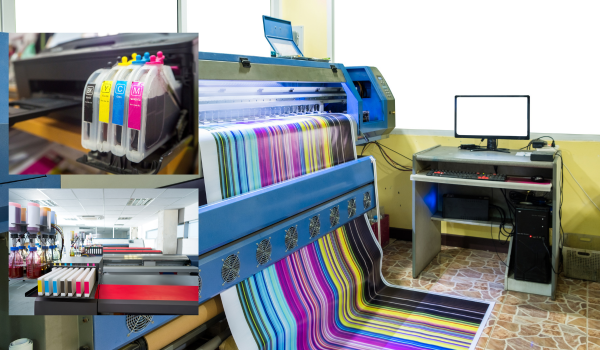
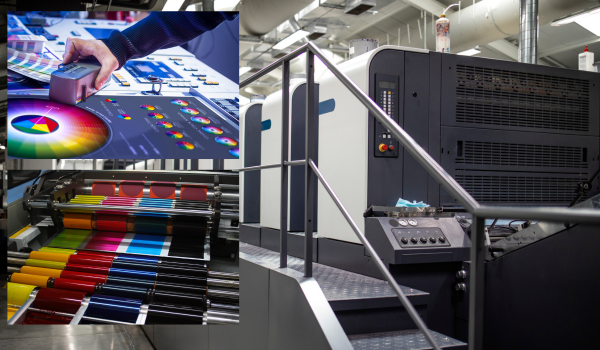
Digital Printing: A Dominant Force Digital printing has emerged as a dominant force in the printing industry, offering unparalleled flexibility, speed, and cost-effectiveness. This technology has revolutionized the way we produce printed materials, from marketing collateral and packaging to personalized products and signage. As advancements in digital printing continue, we can expect even greater levels of customization, faster turnaround times, and improved print quality.
Personalization and Customization One of the most significant trends shaping the future of printing is the demand for personalized and customized products. Consumers today seek unique and tailored experiences, and printing technology is rising to meet this need. From personalized marketing materials and bespoke packaging to customized apparel and home decor, the possibilities are endless. As printing technology becomes more sophisticated, we can anticipate a surge in personalized printing solutions that cater to individual preferences and tastes.
Sustainability and Eco-Friendly Practices In an increasingly environmentally conscious world, sustainability has become a key focus for the printing industry. Companies are embracing eco-friendly practices, such as using recycled materials, reducing waste, and implementing energy-efficient processes. Additionally, advancements in printing technology are enabling the development of eco-friendly inks and substrates, further reducing the industry’s environmental footprint. Moving forward, sustainability will continue to be a driving force in shaping the future of printing.
3D Printing: Redefining Possibilities While still in its early stages, 3D printing has the potential to revolutionize the printing industry in profound ways. This transformative technology allows for the creation of three-dimensional objects layer by layer, opening up a world of possibilities in manufacturing, prototyping, and customization. From healthcare and aerospace to automotive and fashion, 3D printing is already making waves across various industries. As the technology matures and becomes more accessible, we can expect to see widespread adoption and innovation in 3D printing.
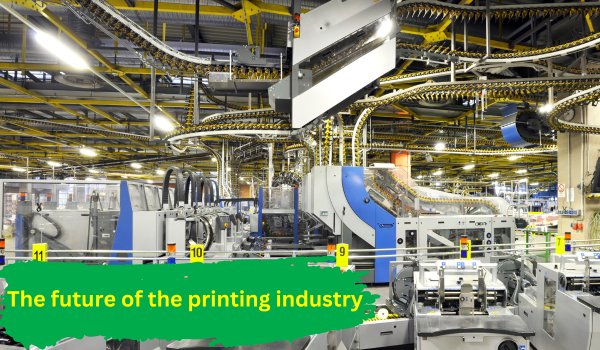
Integration of Artificial Intelligence and Automation Artificial intelligence (AI) and automation are poised to play a significant role in the future of printing. AI-driven algorithms can optimize print processes, improve efficiency, and enhance quality control. Automation technologies, such as robotic printers and self-regulating systems, are streamlining production workflows and reducing labor costs. By harnessing the power of AI and automation, printing companies can stay competitive in a rapidly evolving landscape.
Augmented Reality and Interactive Print Augmented reality (AR) is blurring the lines between the digital and physical worlds, and the printing industry is taking notice. By integrating AR technology with printed materials, companies can create immersive and interactive experiences for their customers. From interactive packaging and educational materials to marketing campaigns and product demonstrations, AR-enhanced print is revolutionizing engagement and driving consumer interest. As AR technology continues to advance, we can expect to see even more innovative applications in the printing industry.
Conclusion: The printing industry has come a long way since its inception, and the journey is far from over. With advancements in digital printing, 3D printing, sustainability practices, AI, automation, and AR, the future of printing looks incredibly promising. As printing companies continue to innovate and adapt to changing market demands, we can expect to see a dynamic and vibrant industry that pushes the boundaries of what is possible. The future of printing is here, and it’s full of endless possibilities.